Spatial Orchestration Layer
Omnia enables the connected intelligence behind every smart glasses experience. The Spatial Orchestration Layer unites devices, APIs, and spatial data into a single, continuous network, allowing applications and AI agents to understand, communicate, and act within 3D environments in real-time.
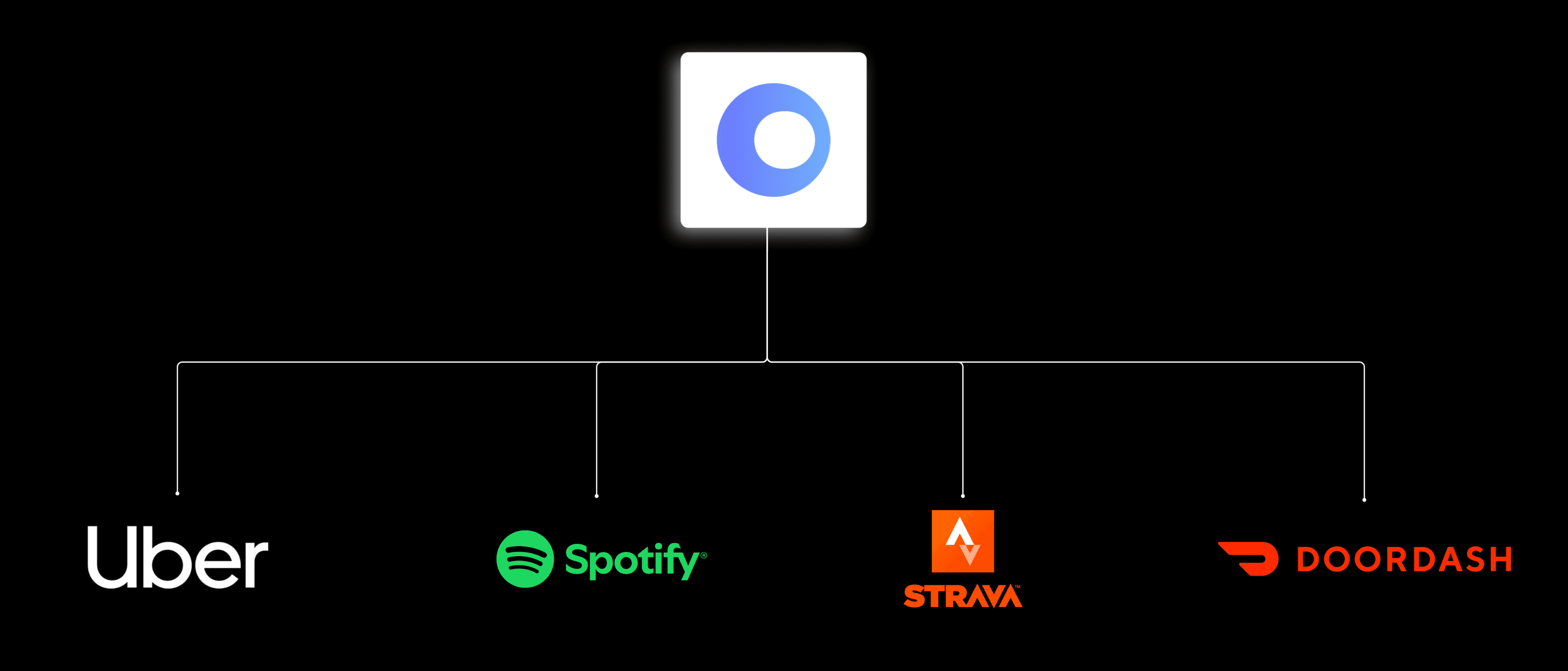
Bring Every App to Smart Glasses — Effortlessly
The biggest challenge in the wearable era isn’t hardware — it’s software.
Everyday apps we rely on — Maps, Notion, Asana, Salesforce, YouTube, Google Docs — aren’t built for a hands-free, spatial world. Rebuilding each one for every headset and operating system is costly, slow, and unsustainable.
Omnia translates familiar digital tools into spatially aware, voice-driven experiences that work across devices. Whether it’s visualizing a delivery route, displaying a checklist in your field of view, or calling a live API for real-time data — Omnia makes your existing software wearable-ready.
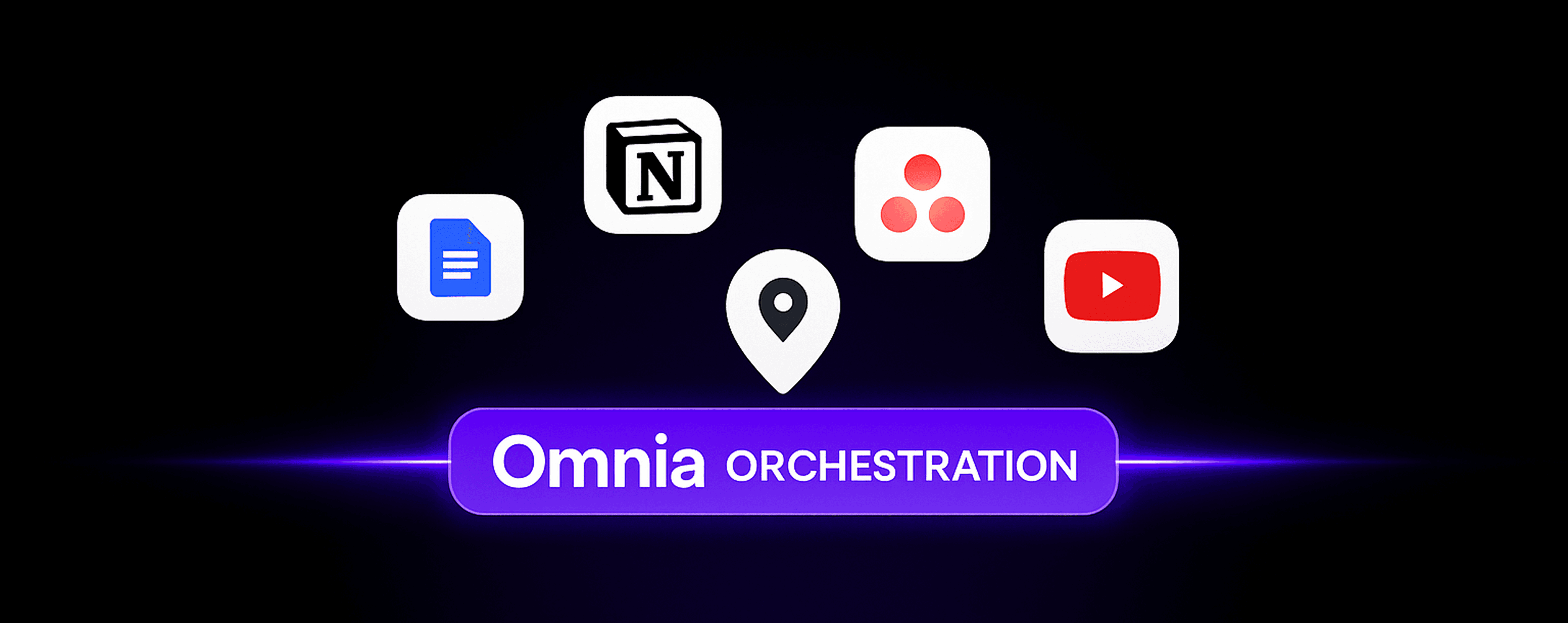
API Orchestration Engine (MCP)
That’s why Omnia’s API Orchestration Engine (MCP) exists.
It bridges today’s web and app ecosystems into the world of smart glasses — without rewriting them from scratch.
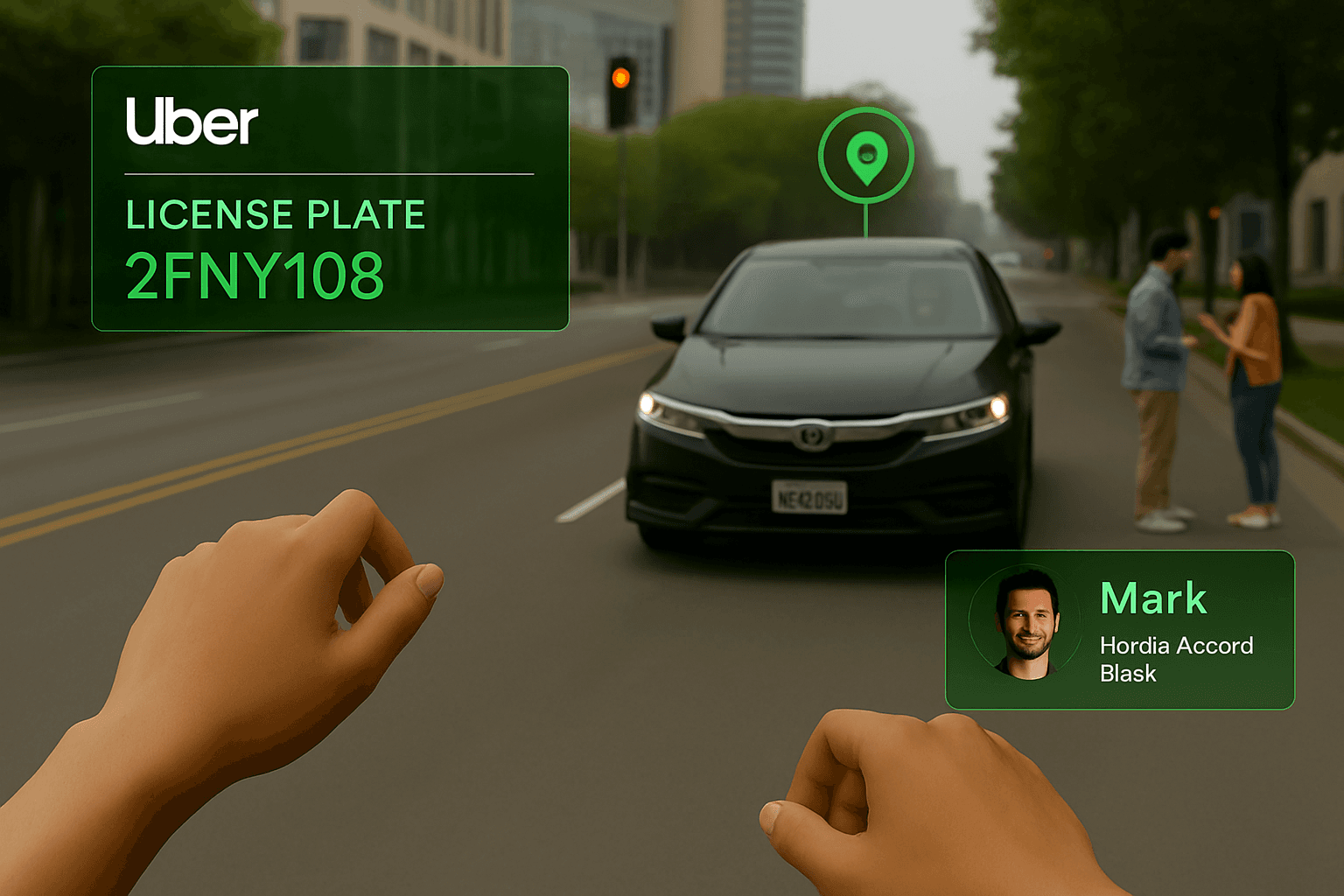
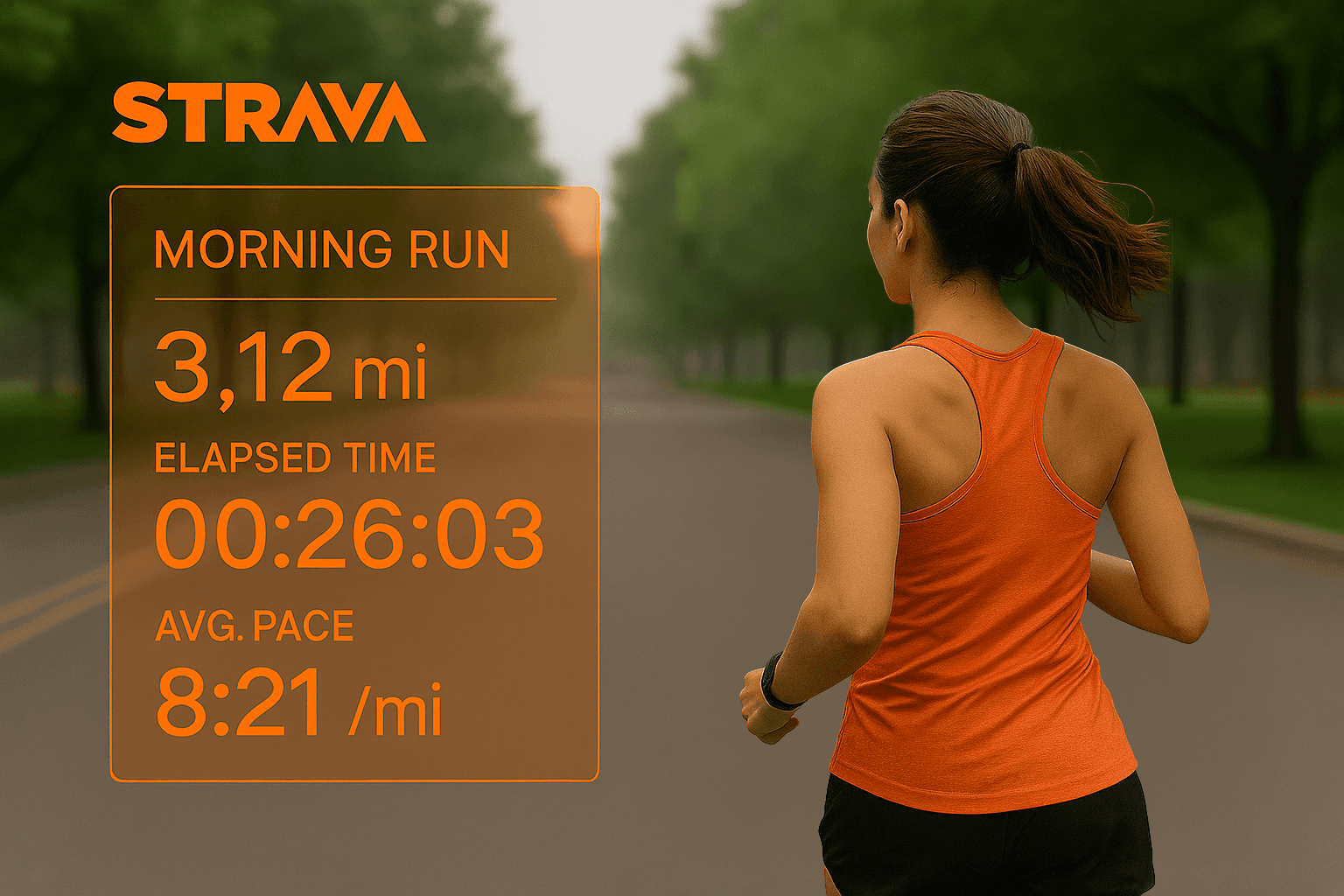
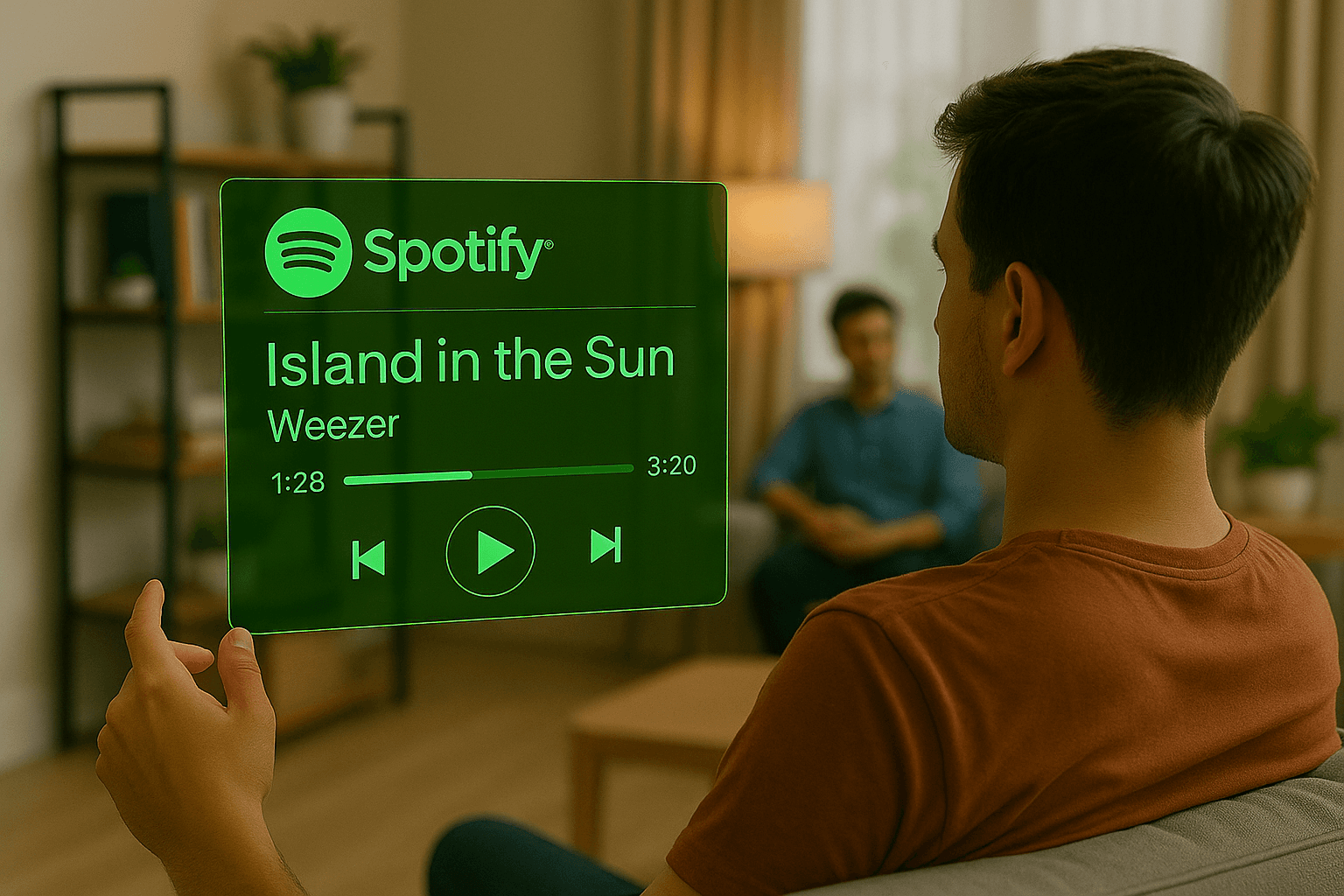
At the core - Omnia’s orchestration is a middleware engine that converts external APIs into spatial actions. It allows services like maps, navigation, logistics, or scheduling to appear directly inside the user’s field of view, ready for hands-free interaction. AI agents can call, interpret, and visualize external data (e.g., a delivery route, a building blueprint, or a maintenance task) directly in 3D space — creating a seamless blend between the web and the real world.
Highlights:
Converts web services into AR-ready interactions.
Allows AI agents to trigger API calls as spatial commands.
Integrates securely with enterprise data systems.
Omnia Cloud
Highlights:
Persistent spatial memory across all connected headsets.
Secure data orchestration for regulated industries.
Cloud-to-edge sync for offline or low-latency operations.
